
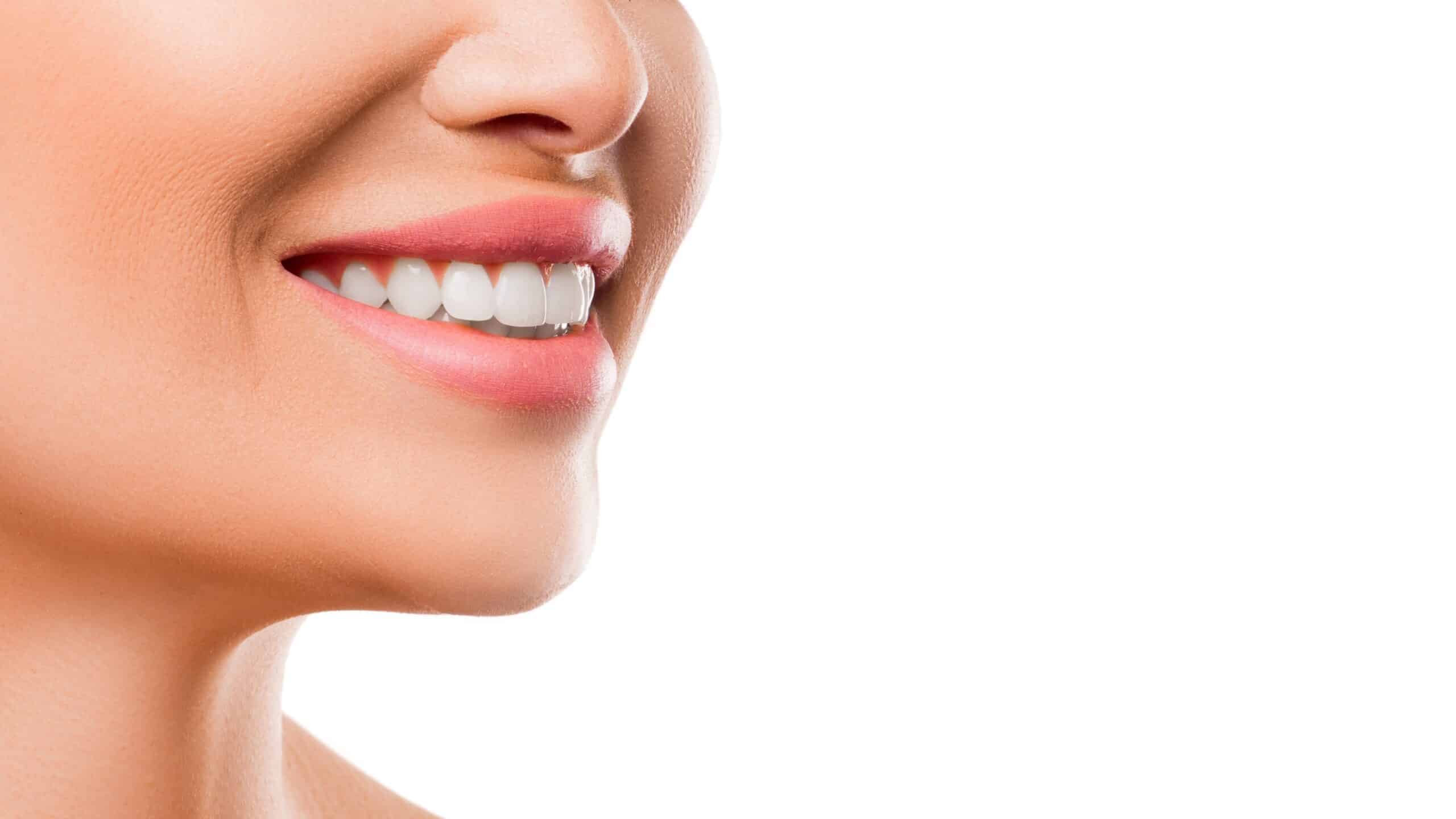
 When considering options to enhance your smile, dental veneers, particularly porcelain veneers and Lumineers, are frequently discussed. While both aim to improve tooth aesthetics, they differ in their material, preparation requirements, and application methods.
Understanding these distinctions is crucial for patients to make an informed decision regarding their cosmetic dental treatment.
Material and Thickness
Porcelain Veneers are crafted from high-quality dental porcelain. These veneers are custom-designed for each individual tooth, known for their strength and durability. To achieve a proper fit and natural contour, a minimal layer of tooth enamel is typically prepared before placement. This preparation creates adequate space for the veneer without making the tooth appear bulky.
Surgeons might remove a small amount of tooth enamel to ensure a proper fit and natural appearance.
Lumineers are a specific brand of ultra-thin veneers made from a patented ceramic material. Their minimal thickness, often compared to that of a contact lens, allows for direct application to the tooth surface in many cases. This can often eliminate the need for significant enamel removal, positioning Lumineers as a more conservative option when appropriate.
Procedure
The porcelain veneers procedure generally involves at least two office visits. During the initial appointment, a thin layer of tooth enamel is carefully prepared, and precise impressions are taken. These impressions are then used by a dental laboratory to custom-fabricate the veneers. A second appointment is scheduled for the bonding process, where the custom veneers are meticulously adhered to the prepared tooth surfaces using a strong dental adhesive.
In the case of Lumineers, the application process is often less invasive and may require one or two visits. Impressions of your teeth are taken to create the custom Lumineers. Once fabricated, they are then bonded directly to the front surface of the teeth, typically with little to no enamel preparation required. This streamlined process minimizes chair time and can reduce the need for temporary restorations.
Aesthetics
Porcelain Veneers are highly customizable. They can be precisely matched to the desired shade, shape, and size to achieve a seamless and natural-looking smile. The material’s ability to mimic the light-reflecting properties of natural tooth enamel contributes to an aesthetically pleasing outcome.
Lumineers also aim to provide a natural appearance and can significantly enhance a smile. While they offer a beautiful improvement, the customization options for shape and contour may be marginally different compared to traditional porcelain veneers due to their ultra-thin nature and minimal preparation requirement. Both options are designed to deliver a beautiful, improved smile.
Book Your Dental Veneers Appointment in Houston, TX
The selection between porcelain veneers and Lumineers is a clinical decision based on individual patient needs, existing tooth structure, and aesthetic goals. If a more conservative approach with minimal to no enamel removal is desired, Lumineers may be considered. However, if a highly durable restoration that allows for more significant shape and color alteration is paramount, traditional porcelain veneers might be more suitable. It is essential to discuss your specific desires and oral health status with a dental professional to determine the most appropriate treatment.
Ready to explore your options for enhancing your smile with veneers? Contact The Cosmetic Dentists of Austin at 512-333-7777 to schedule a consultation today. A thorough examination and discussion can help you understand which veneer solution aligns best with your cosmetic objectives and oral health.


